Malta offers an opportunity for Indian high-net-worth individuals to obtain citizenship by naturalisation in 1 or 3 years.
With India’s growing number of global entrepreneurs and business leaders, the program is particularly attractive due to its application process, and the ability to include family members.
Malta requires a minimum contribution of €600,000 for a 36‑month route to citizenship or €750,000 for a 12-month route to citizenship, alongside investments in real estate and charitable donations.




India and Malta share warm and amicable relations. India was among the first nations to recognise Malta's independence in 1964 and established diplomatic ties in 1965.
India reopened its High Commission in Malta in January 2017, with a resident High Commissioner assuming office in January 2018. Malta, in turn, inaugurated its High Commission in New Delhi in July 2007, appointing a resident High Commissioner. Additionally, Malta maintains Honorary Consuls in Kolkata, Chennai, and Mumbai.
There is no investment-based path to Malta citizenship. Maltese nationality legislation provides for the possibility of naturalisation in cases of exceptional merit.
The statutory framework recognises exceptional contributions across various areas, such as entrepreneurship, job creation, innovation, science, education, culture, or philanthropy.
The bilateral relationship between India and Malta has remained positive, bolstered by numerous high-level visits exchanged between the two countries.
For Indians, the strong and friendly relations between India and Malta are an important factor when considering relocation and settling in Malta under several factors:
Malta citizenship by naturalisation for exceptional services by direct investment is one of the most attractive pathways for Indians. It provides a route to obtaining Maltese citizenship, offering numerous advantages such as visa-free travel to over 160 countries and a stable environment for families and businesses.
Indian citizens have several pathways to acquire Maltese citizenship, including registration, traditional naturalisation, and Naturalisation for Exceptional Services by Direct Investment.
By registration. This route is available to individuals such as spouses of Maltese citizens who have been married and cohabiting for at least five years, and direct descendants of Maltese-born ancestors.
By naturalisation. Foreign nationals, including Indians, may apply for naturalisation after residing in Malta for a minimum of four years within the preceding six years. Applicants must demonstrate proficiency in Maltese or English and meet good character requirements.
Citizenship for Exceptional Services by Direct Investment. This route allows individuals to obtain Maltese citizenship by naturalisation after making substantial investments in the country, subject to stringent Due Diligence and eligibility criteria.
Each pathway has specific requirements and procedures, and it's advisable for prospective applicants to consult with official Maltese authorities or legal experts to determine the most suitable option.

Malta Citizenship by Naturalisation for Exceptional Services by Direct Investment offers Indian citizens a pathway to obtaining Maltese citizenship within 1 or 3 years.
Requirements to age and legal status of applicants. An investor must be over 18 years old and possess a clean criminal record, with no ongoing prosecutions or charges.
Applications can include family members, including a spouse, children under 29, parents and grandparents over 55.
Spouses of applicants can be opposite-sex spouses of the main applicant, or same-sex spouses if their marriage is legally formalised. Partnerships recognised as marriage equivalents, such as common-law marriages or registered partnerships in the EU, are also accepted. Also, de‑facto partners who are not formally registered can qualify if the relationship is supported by documentary evidence.
In India, same-sex marriages are not legally recognised, limiting the rights of LGBTQ+ couples. However, Malta legalised same-sex marriage in 2017, providing equal rights to all couples.
This means that Indian same-sex couples can legally marry in Malta, gaining recognition and rights not available in India.
Investment conditions. A non‑refundable donation to the National Development and Social Fund is required. The amount depends on the chosen residency period before applying for citizenship:
An extra €50,000 is required for each additional family member included in the citizenship application, regardless of the selected residency duration.
Applicants must either purchase property in Malta valued at a minimum of €700,000 or lease a residence with an annual rent of at least €16,000, maintaining the property for five years.
A philanthropic donation of at least €10,000 to a registered Maltese non‑governmental organisation is mandatory.
Due Diligence and background verification. Applicants pass a Due Diligence process to ensure the legitimacy of funds and the absence of security risks.
| Residency period | NDSF contribution | Fee per spouse | Real estate expenses | Charitable donation | Total costs |
| 1 year with property rental | €750,000 | €50,000 | €192,000 | €10,000 | €1,002,000 |
| 1 year with real estate purchase | €750,000 | €50,000 | €700,000 | €10,000 | €1,510,000 |
| 3 years with property rental | €600,000 | €50,000 | €192,000 | €10,000 | €852,000 |
| 3 years with real estate purchase | €600,000 | €50,000 | €700,000 | €10,000 | €1,360,000 |
To apply for Malta citizenship under the regulations, applicants must provide the following documents:
Obtaining a Malta passport by naturalisation for exceptional services by direct investment involves a structured process. The timeline varies based on the chosen investment level and residency period.
Applicants must maintain residency in Malta for either 12 months or 36 months before becoming eligible to apply for citizenship. According to experts at Immigrant Invest, once the application is submitted, the processing time typically takes around 6 months.
Immigrant Invest checks an investor’s eligibility for obtaining Malta citizenship. Due Diligence helps to reduce the risk of denial to 1%. The check is also confidential, and only a passport is needed.
Maltese police do a background check on the investor and their family members. After that, they issue a Police Clearance Certificate for all applicants over 18.
The investor and their family members prepare the documents, rent or buy real estate in Malta, and receive a residence permit.
The investor and their family undergo the Eligibility Test. With Immigrant Invest experience, it is a rather strict Due Diligence conducted by the Community Malta Agency.
Investors who contribute at least €750,000 apply for citizenship after a year, and investors who contribute €600,000 apply after three years of permanent residency.
Once the application is approved, the investor fulfils the investment condition within four months. After that, they travel to Malta to submit biometrics and take the Oath of Allegiance.
The investor and their family are issued Maltese passports at the Malta Passport Office.
1. Global mobility. Maltese citizens enjoy visa-free or visa-on-arrival access to over 160 countries, including the EU, UK, and Schengen Area, significantly simplifying international travel.
In comparison, Indian passport holders can access around 90 countries without a prior visa or with visa-on-arrival, making Maltese citizenship a major upgrade in global mobility.
2. European Union membership. Citizenship provides the right to live, work, and study in any Schengen country, including outside the European Union, such as Switzerland, Norway, Iceland, or Liechtenstein. There are no restrictions on entry or stay in the region’s countries.
3. Access to quality healthcare and education. The World Health Organization recognises Malta’s healthcare services for their efficiency and high standards. The country operates a universal healthcare model, ensuring that both citizens and permanent residents have access to free or subsidised medical care through the government-funded system.
Key facts about healthcare in Malta:
4. Enhanced business opportunities. The Indian business community in Malta dates back to 1887 when the Pohoomull Brothers established the first Indian-owned store in Valletta, marking the beginning of Indian entrepreneurship on the island.
In recent years, the Maltese government has actively encouraged Indian firms to invest in Malta, offering various incentives and signing bilateral trade agreements, such as the one for the avoidance of double taxation.
5. Generational benefits. Maltese citizenship is transferable to future generations, providing long-term security and benefits for your family.
6. Dual citizenship allowed. Malta permits dual citizenship, enabling applicants to retain their original citizenship while enjoying the advantages of a Maltese passport.
However, India does not allow dual citizenship. Indian citizens who obtain Maltese citizenship must renounce their Indian passport but can apply for Overseas Citizen of India status, which grants them visa-free travel and certain rights in India.
7. Economic stability. Malta is one of Europe’s most politically and economically stable countries, offering a secure environment for living and investing.
8. Strong cultural ties with India. Malta's cultural exchange with India strengthens the sense of community for Indian citizens. Events like Indian film and food festivals, International Yoga Day celebrations, and performances by Indian cultural troupes foster inclusivity and mutual respect.
9. Established Indian community in Malta. With a growing Indian community of approximately 12,000—15,000 people and active associations like the Malta Malayalee Association, Malta Tamil Association, and the Hindu Association of Malta, Indian citizens can feel at home in Malta.
These organisations create a supportive network for new arrivals, making integration smoother and providing cultural and social connections for Indian families.

Indian nationals seeking to establish themselves in Malta can also obtain permanent residency under Malta Permanent Residence Programme. This status enables individuals and their families to reside indefinitely in Malta, with the added advantage of visa-free travel within the Schengen Area for up to 90 days in any 180-day period.
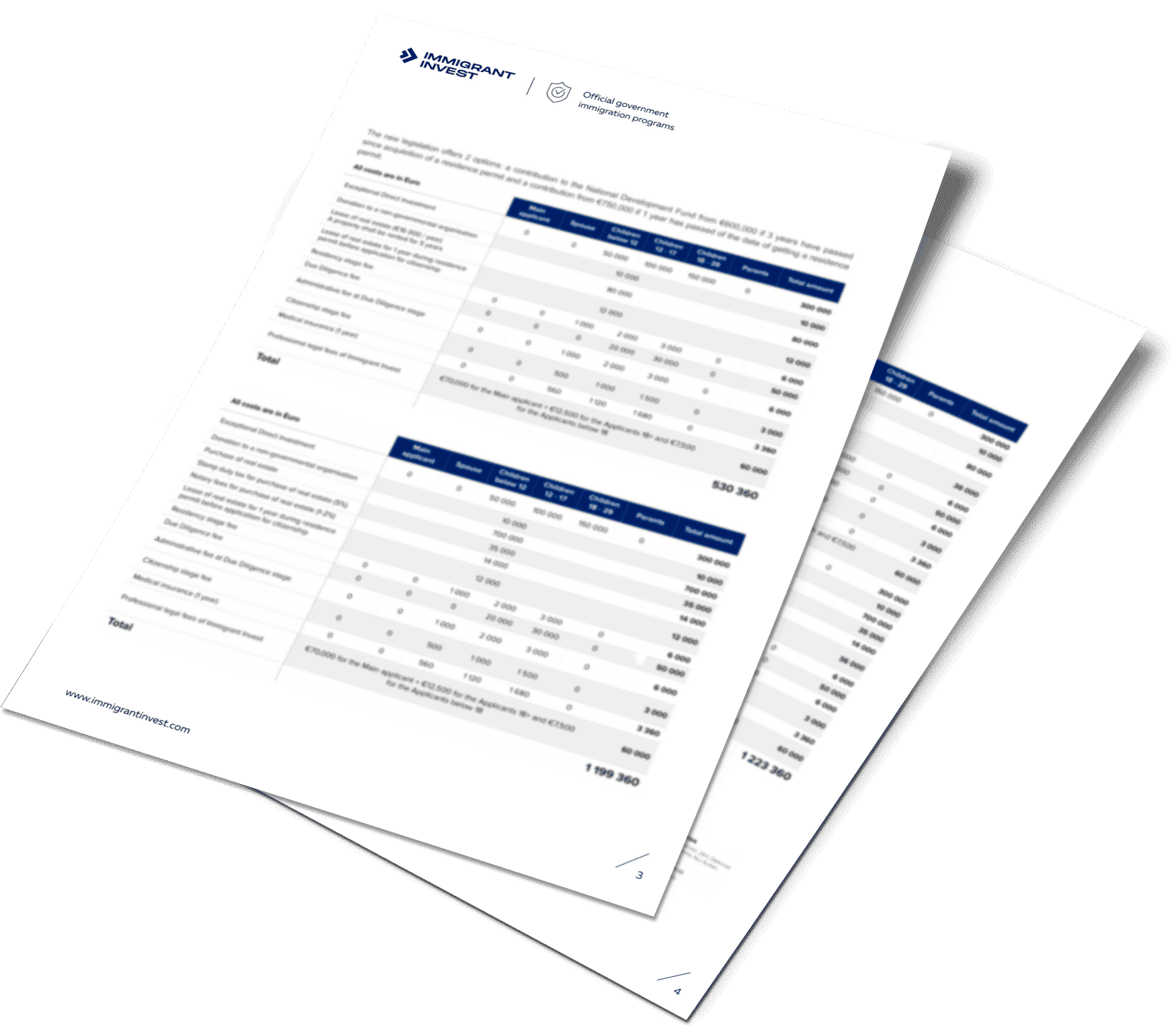
Malta Permanent Residence Programme requires a contribution to the national development fund, along with a property investment, a charitable donation and application administrative fee.
Investors buy or rent real estate, but the cost requirements differ based on the chosen option:
The real estate investment must be maintained for a minimum period of five years from the date of issue of the certificate of Permanent Residence.
Other mandatory expenses include:
Permanent residency grants the right to live, work, and study in Malta indefinitely, along with visa-free travel within the Schengen Area. However, it does not confer the right to vote or obtain a Maltese passport.
Citizenship, on the other hand, provides full rights, including a Maltese passport, the ability to live and work in any EU country, and participation in national elections.
The financial commitments for citizenship are substantially higher than those for permanent residency, reflecting the broader rights and privileges conferred by citizenship.
Obtaining permanent residency is generally quicker, with processing times of approximately six months. In contrast, the pathway to citizenship spans a longer period due to the residency requirement and comprehensive Due Diligence procedures.
| Aspect | Permanent residency | Citizenship |
| Investment requirement | €187,000+ | €690,000+ |
| Residency rights | Indefinite stay in Malta | Indefinite stay in Malta;Freedom of movement in the EU |
| Global mobility | Limited visa-free travel | Extensive visa-free access |
| Voting rights | No | Yes |
| Generational benefits | Not passed to children | Passed to descendants |
| Obtaining period | 6+ months | 1 or 3 years |
| Validity period | Lifetime | Lifetime |
Malta, a small yet vibrant Mediterranean island, offers a mix of history, culture, and modern amenities, making it an appealing destination for relocation. Each city has its unique charm, catering to different lifestyles and preferences.
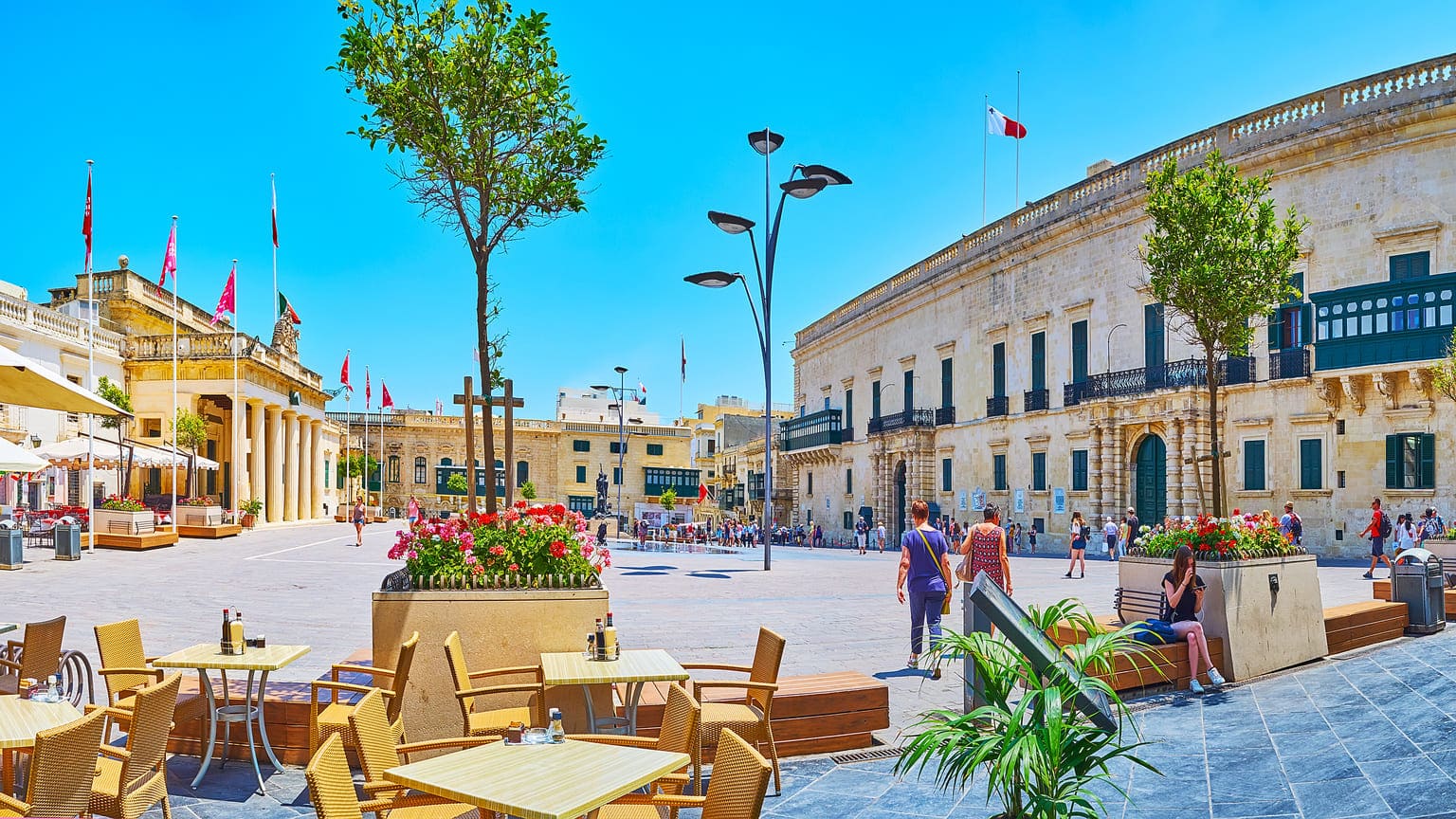
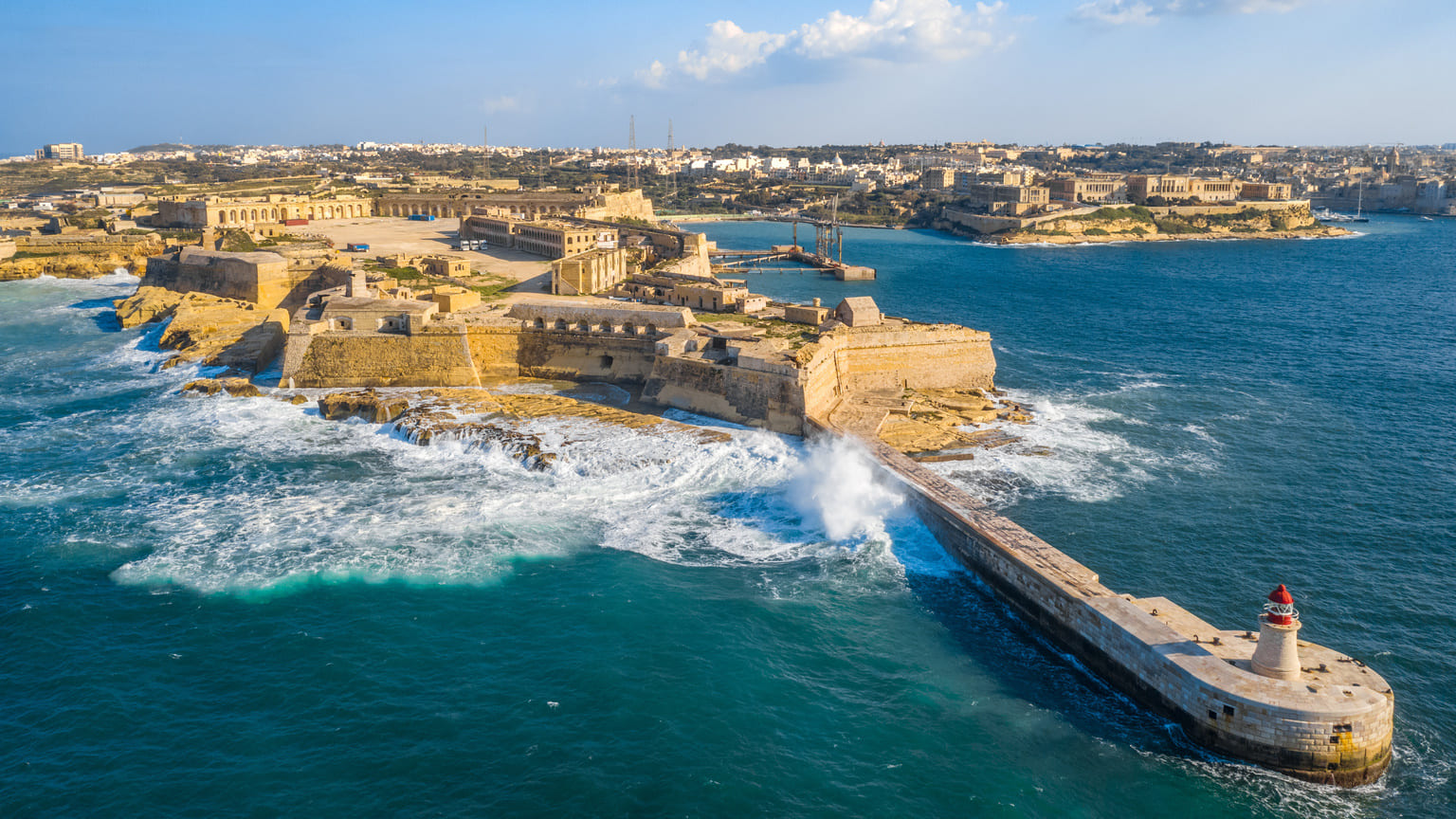
Valletta, the capital city and a UNESCO World Heritage Site, is perfect for professionals and history enthusiasts. Its stunning architecture, walkable streets, and vibrant cultural scene make it an ideal place for those who enjoy city living and proximity to business hubs.
Gozo, Malta’s sister island, offers a slower pace of life with its natural beauty and community-oriented environment. It is well-suited for retirees, remote workers, and anyone looking for a peaceful retreat.
St. Julian’s, famous for its lively atmosphere and luxury developments, attracts those who value vibrant nightlife and upscale living. It’s a hub for entertainment and is close to international schools and business areas.
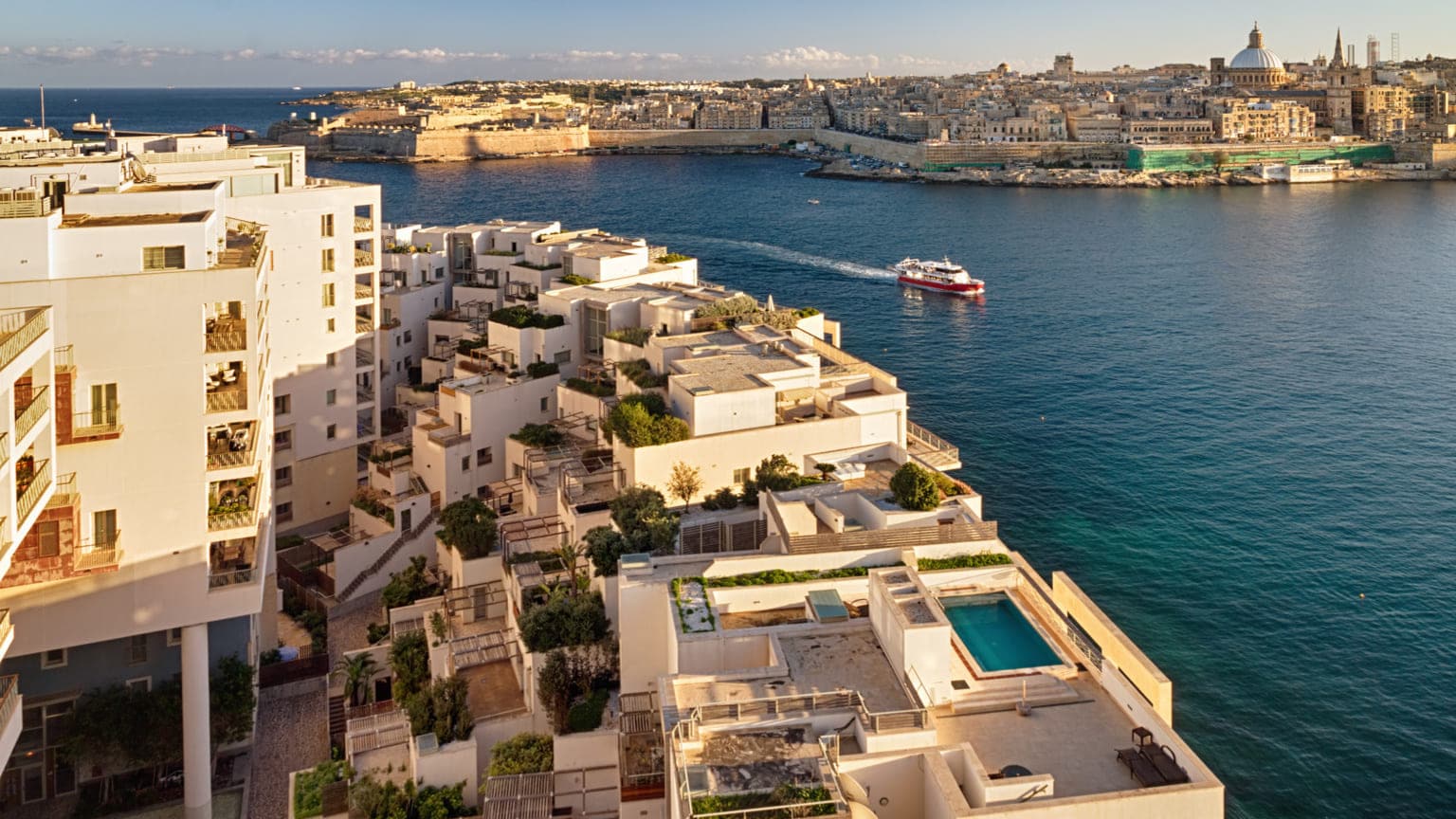
Sliema, known for its modern lifestyle, waterfront promenades, and cosmopolitan vibe, is popular among expatriates. It offers excellent shopping, dining, and nightlife options, making it a great choice for young professionals seeking a dynamic urban experience.

Work opportunities. Malta offers a thriving job market, particularly in industries like finance, iGaming, IT, and hospitality. The country’s growing economy and status as an EU member attract international professionals and businesses. Work permits are generally required for non-EU nationals, while EU citizens benefit from free movement rights.
Housing. The housing market in Malta provides a range of options, from modern apartments in urban areas like Sliema and St. Julian’s to traditional Maltese houses in quieter towns like Mellieħa. Rental costs vary significantly based on location, with city centres being more expensive. Monthly rents for a one-bedroom apartment range from €700—1,500.
Cost of living. Malta’s cost of living is moderate compared to other European countries. Monthly expenses for a single person average around €1,000, not including rent. Groceries and dining out are affordable, but utilities and imported goods can be costly.
Here is an overview of various living costs in Malta:
Healthcare. Malta boasts a high‑quality healthcare system, ranked among the best globally. Public healthcare is free or low-cost for residents, while private healthcare provides faster access and personalised services. Non-EU nationals must have health insurance to access public services.
Education. Malta’s education system is well-regarded, offering free state schooling and private and international schools for expatriates. English is a primary medium of instruction, making it accessible to foreign residents. The University of Malta is a leading institution for higher education in the region.
Yes, Malta allows dual citizenship, enabling Indians to retain their Indian citizenship while holding a Maltese passport. However, Indian law does not permit dual citizenship. Indians acquiring Maltese citizenship must check with Indian authorities about maintaining their Overseas Citizen of India, or OCI status.
Obtaining Maltese citizenship involves significant investment and meeting strict eligibility criteria. Through the Naturalisation for Exceptional Services by Direct Investment route, applicants must maintain residency for 12 or 36 months and make substantial financial contributions. While the process is rigorous, it is well-structured and offers clear guidelines.
Indian nationals can acquire Maltese citizenship through the following pathways:
No, proficiency in Maltese is not required for Malta citizenship by naturalisation for exceptional services by direct investment. However, applicants seeking citizenship through regular naturalisation must demonstrate proficiency in either Maltese or English as part of the eligibility criteria.
Yes, Indians can obtain permanent residency in Malta through the Malta Permanent Residence Programme. This requires investment in real estate, a government contribution, and a charitable donation. PR allows indefinite residence in Malta and visa‑free travel within the Schengen Area.