

+356-2033-01-78
Worldwide Offices
January 26, 2026
Reading time: 9 min

Malta property investment: Updated guide 2026

To obtain Malta permanent residency by investment or citizenship by exceptional services, an investor must rent or buy a property in Malta.

Each path has its benefits: renting an apartment is cheaper and faster, while purchase is profitable; Malta house prices have grown by 6% annually since 2017.

Let’s compare the pros and cons of renting and buying property in Malta and discuss purchasing real estate in detail.

Elena Ruda
Chief Development Officer at Immigrant Invest
Fact checked by Albert IoffeAlbert Ioffe
Albert Ioffe
Fact checked by Albert Ioffe
Albert helps investors choose the best-suited investment program, prepare for Due Diligence and apply for second citizenship or residency. About 100 families have already obtained the desired status with Albert’s legal assistance.
Reviewed by Vladlena BaranovaVladlena Baranova
Vladlena Baranova
Reviewed by Vladlena Baranova
Vladlena leads preparation to Due Diligence and application for citizenship or residency by investment. She performs independent and in-depth analysis of investors’ situations and indicates possible risks. Vladlena helped to get second passports and residence permits to over 300 investors from all over the world.
Investment in Malta real estate

Overview of the Maltese real estate market

Market trends. The Maltese real estate market is constantly developing, and properties remain in high demand. Due to this, real estate prices have increased by over 40% since 2017. 

Apartments are the most common type of residential property in Malta. According to the KPMG report, there were over 156,000 apartments in 2023. Other property types include penthouses, duplexes, maisonettes, and houses.

Real estate for renting is also in demand. In June 2023, around 55,000 people had active rental contracts, with 92% of them being long-term leases. Tenants usually choose apartments with two or three bedrooms, and the median monthly costs are €700 and €850, respectively.

Conditions of purchase. Foreigners can purchase properties in Malta. The country has Special Designed Areas (SDAs) targeted at people who wish to invest in real estate. In these areas, foreigners do not need permits to purchase property.

Buying real estate outside SDAs is also allowed. However, foreigners can buy properties there only for their own use; renting them out is prohibited. Foreign buyers must also obtain an Acquisition of Immovable Property (AIP) permit.

7 benefits of investing in Malta real estate

1. Opportunity to obtain residency or citizenship. Foreigners investing in Maltese property can obtain permanent residence or citizenship. They may rent or buy real estate, with minimum required sums depending on the chosen status.

2. Huge variety of property options. Investors can buy apartments, penthouses, maisonettes, and houses, as long as they meet the minimum cost requirements. Popular areas include St Julian’s, Sliema, and Valletta.

3. Rental yields. The investor is not required to live in Malta to maintain their status, so they can rent out the purchased property. The expected rental yield is 5—7%.

Rental prices vary by region. The most expensive real estate is in Sliema, a resort town on the east coast. In 2022, the average monthly rent was €1,220 for a two‑bedroom apartment and €1,440 for a three‑bedroom apartment.

Other areas with high rental prices include St Julian’s, Swieqi, and Naxxar. In these towns, the average monthly rent for two-bedroom apartments is about €1,000, while three-bedroom apartments cost roughly €1,200.

4. Growth in property prices. According to a KPMG report, property prices in Malta grow by 6% per year on average. Maisonettes and terraced houses have seen the most significant growth, with prices rising by nearly 50% since 2017. 

The most expensive real estate is in the Grand Harbour and Northern Harbour regions, while the cheapest properties are on the island of Gozo.

Investors can sell real estate five years after acquiring Malta permanent residency or citizenship and earn a profit.

Comparison of property price growth in Malta

Property typeAverage price in 2018Average price in 2023Growth in prices over 5 years
Apartments€225,000€280,00019.64%
Penthouses€320,000€369,80013.47%
Maisonettes€250,000€310,00019.35%
Terraced houses€475,000€600,00020.83%

5. Economic stability. Malta has a resilient and growing economy, considered developed since 2004. The Maltese GDP has increased by 4.6% in 2024 compared to 2023, and analysts expect a 4.3% growth in 2025. The inflation rate is also decreasing, from 5.6% in 2023 to 2.8% in 2024. 

As an EU member state, Malta receives economic support from EU institutions, contributing to the country's economic stability.

6. Safe haven in the Mediterranean. Investors can relocate to Malta at any time, but they are not required to live there to maintain permanent residency or citizenship. This flexibility is especially beneficial during instabilities in the investor’s country of origin. 

The Mediterranean offers a pleasant climate, natural beauty, diverse cuisine, and various outdoor activities.

7. High quality of life. Malta provides a safe environment, ranking safer than Canada, the United Kingdom, and Germany. The likelihood of becoming a victim of robbery or assault is low, and car thefts and armed robberies are uncommon. 

Malta also offers high-quality education and healthcare, which are free for citizens. The country has well-developed infrastructure, including reliable transportation, modern communication networks, and efficient public services.

Properties in Malta: rent or buy?

Renting a property in Malta is faster than buying an apartment or a villa. It takes a couple of weeks to rent a home, while purchasing one typically requires about three months. 

If you rent housing to get residency or citizenship, you must choose a property with a minimum annual payment of €10,000 to €16,000, depending on the region and the status you apply for.

The minimum rental period for properties with restrictions on yearly rentals is five years. The total amount paid for rent during this period is significantly lower than the required investment for purchasing real estate in Malta. However, rental payments are not recoverable.

Additionally, a day without a registered address in Malta after obtaining PR or citizenship could jeopardise the investor’s status. Any issues with housing must be resolved immediately, and prompt registration is essential if you intend to change apartments.

Buying real estate in Malta is an expensive and time‑consuming option but definitely the most profitable one.

For a foreigner to obtain a Malta permanent residence permit by investing in real estate, they must purchase a property worth at least €300,000 in the south of Malta or on the island of Gozo, or €350,000 or more in other regions. 

Malta citizenship for exceptional services requires a real estate investment of at least €700,000.

Many of our clients consider purchasing real estate in Malta a profitable investment. They often buy 7—8 properties at the construction stage at once, significantly exceeding the amount required for obtaining residency or citizenship.

Frederick Ellul
Lawyer and Immigrant Invest’s partner in Malta

On average, it takes 3—4 months to buy a property in Malta if it is situated in a Special Designated Area (SDA), where foreigners can purchase real estate without restrictions. In other areas, it may take 4—6 months to complete the purchase. This time frame includes selecting a suitable property, preparing necessary documents, and finalising the transaction.

Investors must hold Malta properties with the required value for at least five years. During this period, they may rent out the properties if they are located in an SDA.

Comparison of rent and purchase of real estate in Malta for obtaining PR or citizenship

TermsRent for 5 yearsPurchase
Minimum investment for permanent residency€50,000 in the south of Malta and on the island of Gozo;

€60,000 in other regions
€300,000 in the south of Malta and on the island of Gozo;

€350,000 in other regions
Minimum investment for citizenship for exceptional services€80,000€700,000
Average time of making a deal2—3 weeks12—16 weeks
Opportunity to return the investment— After 5 years of residency or citizenship
Annual profitability6% — price growth;

5 to 7% — rental income 

Where to buy real estate in Malta?

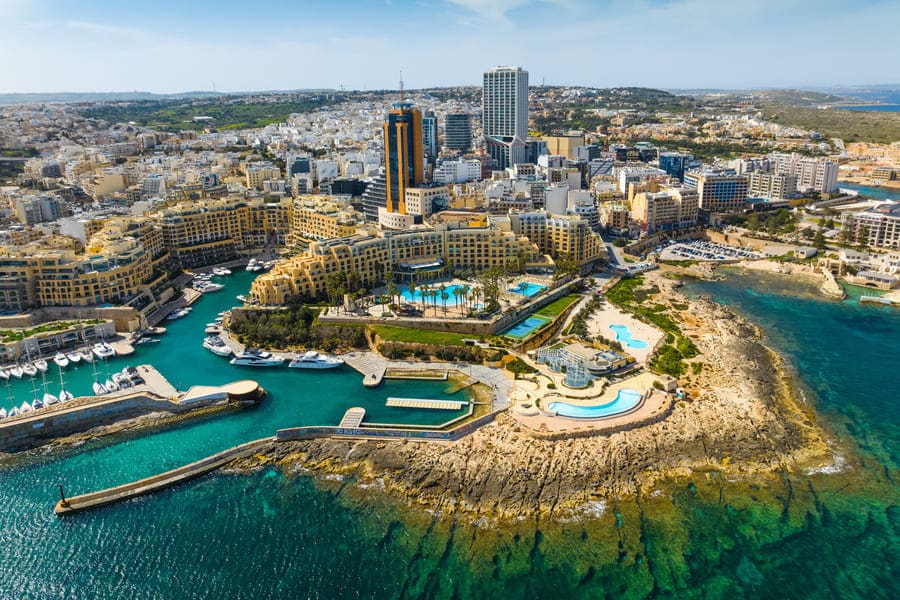
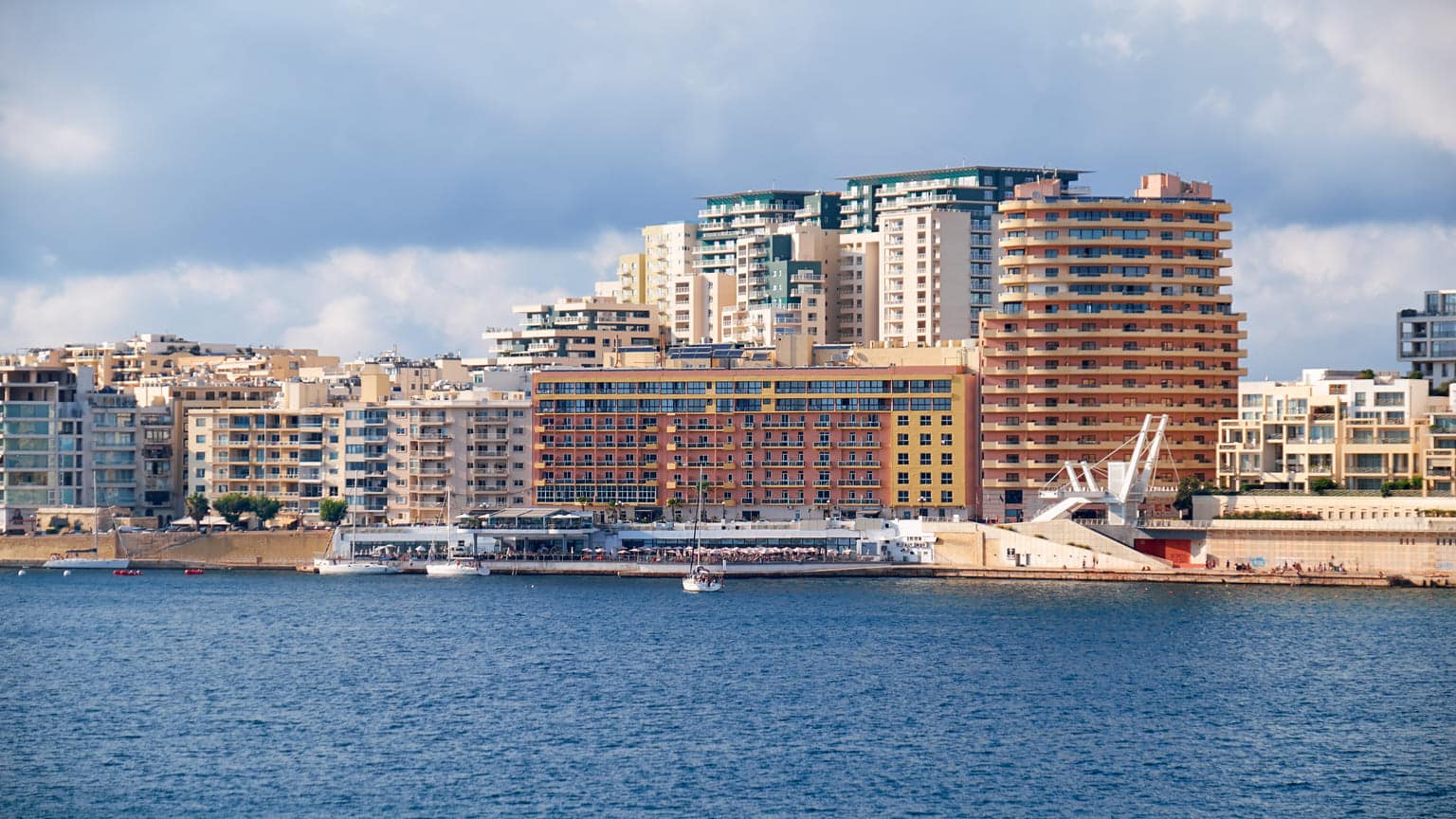
Popular locations for real estate investment are in the northern and central areas of the island of Malta. These areas have developed infrastructure with entertainment facilities and everything a family needs. Valletta, St Julian’s, Sliema, and Mellieha are among the most popular resorts and places to buy an apartment and rent it out. 

The most expensive areas to buy real estate are Valletta and Sliema. A 75 sq.m. apartment in central Valletta costs around €560,000, while the same apartment in Sliema is about €375,000.

The south of Malta and the island of Gozo are less developed, so real estate prices are lower there. 

Special Designated Areas (SDA) are zones with luxury real estate projects where foreigners can buy properties without restrictions. These areas are usually located in popular coastal towns.

The list of Malta SDAs includes:

  • Fort Cambridge, Sliema;
  • Smart City, Kalkara;
  • Portomaso, St Julian’s;
  • Mercury Towers, St Julian’s;
  • Ta’ Monita Residence, Marsascala;
  • Kempinski Residences, San Laurenz, and other projects.

In areas outside SDAs, foreigners may buy residential property only for personal use and must obtain a permit for the Acquisition of Immovable Property (AIP).

Types of Maltese real estate to invest in

To obtain permanent residency or citizenship, you may buy a property of any size, such as:

  • apartments;
  • penthouses — luxurious top‑floor apartments with premium views and amenities;
  • maisonettes — self-contained, multi-story apartments with their own private entrance, typically resembling a small house within a larger building;
  • villas and terraced houses.

Purchasing commercial real estate is not allowed.

Many properties available for investors are located in luxurious residential and hotel complexes, offering high-class amenities.

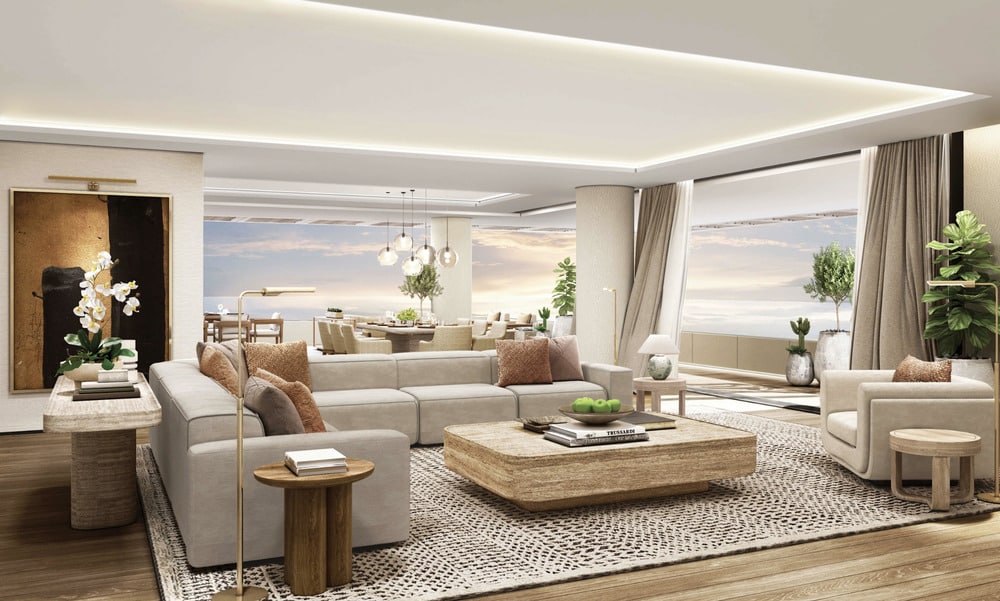
Real estate in an SDA may be the best option for a foreigner. Here are some examples of properties eligible for Malta citizenship or permanent residency.

Modern apartments located in Valletta near the Old Town have one to three bedrooms and one to three baths. Residences offer panoramic views of the surrounding landscape and Grand Harbour. Each apartment comes with a parking space.

The land plot covers an area of 1,500 sq.m. All necessary infrastructure, such as shops, restaurants, cafes, is located nearby. 

Property investment Malta
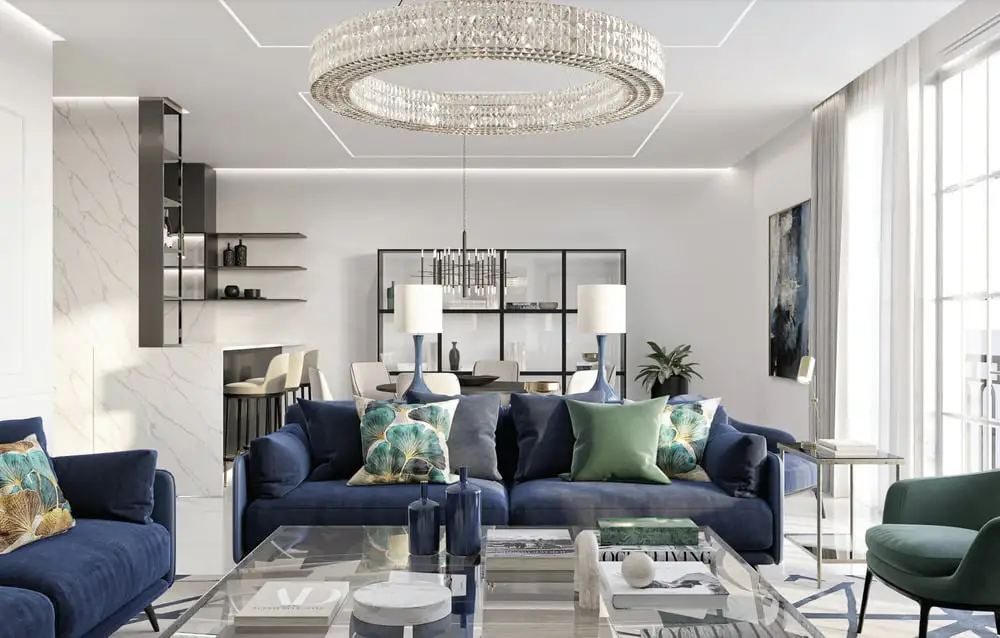
The modern residential complex in Valletta offers partially furnished apartments, starting at €1,510,000. The building is located 500 metres away from the sea

A high-rise residential project in Sliema offers penthouses, duplexes, and apartments for sale, starting at €920,000. The building is 100 metres from the seashore, with shops, cafes, and restaurants nearby.

Residents can enjoy spectacular sea views, a private pool, and a gym. In addition to the apartments, investors may purchase an underground parking space for €25,000.

Malta apartments for sale — a residential project in Sliema
This SDA high-rise project in Sliema offers partially furnished two or three-bedroom apartments with two baths. The minimum cost is €920,000

The hotel complex in Rabat offers two to four-bedroom apartments, duplexes, and penthouses with views of the city and garden.

Residents can enjoy 5-star services and a developed infrastructure, including a swimming pool, garages, a pharmacy, a doctor’s office, and a supermarket.

Investing in Malta properties
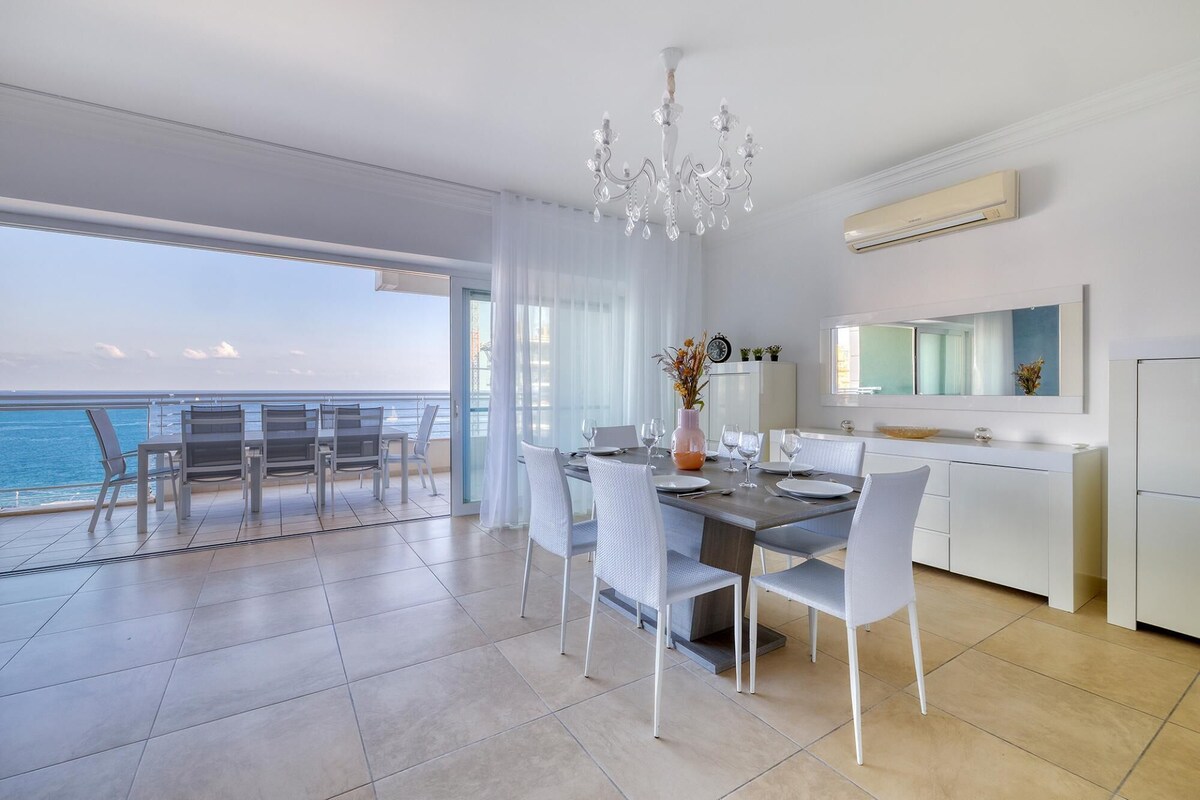
The modern apartments in the hotel complex are partially furnished, featuring two to four bathrooms and floor-to-ceiling windows. The minimum price of an apartment is €575,000

Real estate taxes in Malta

There is no annual property tax in Malta, but taxes apply when you buy, sell, or rent out real estate.

Upon purchasing real estate, the investor pays legal fees of about 1.5% and a stamp duty of 5%. If the foreign buys one property and plans to live there, they can be exempt from paying 5% of a stamp duty on the first €200,000 of the property value.

Additional costs include:

  • a permit to buy non-SDA property (AIP) for €233;
  • an architect's confirmation that the property complies with regulations, costing about €300.

When owning a property in a SDA, one pays €300 to €600 per year for its maintenance. The maintenance cost can reach €3,000 for residential complexes with pools or gardens. 

When renting a property, the owner must pay a 15% tax on rental income.

Upon selling a property, it is required to pay a stamp duty, with rates depending on the period of ownership and the property's use:

  • 0% — for a residential property owned for three years;
  • 5% — for a residential property owned for less than three years or a non‑residential property owned for less than five years;
  • 8% — for a non-residential property owned for more than five years;
  • 12% — for a non-residential property owned for ten years or more.

A tax on capital gains is levied at 15% if the investor is not yet the owner of real estate but is already in the process of promising to resell the property at a higher price.

How to buy a property in Malta as a foreigner

Purchasing real estate in Malta takes 3—4 months for an SDA property and 4—6 months for non-SDA real estate. The process must be accompanied by a notary who handles the sales and purchase agreement, facilitates transactions, and pays taxes and fees.

Let’s explore the primary steps of buying a property as a foreigner, according to the experiences of Immigrant Invest lawyers.

PT5M
2—4 weeks
Choosing a property
Choosing a property

Immigrant Invest real estate experts present properties in Malta that suit the investor’s purposes and budget and then contact the seller to discuss details.

10 days
Hiring a notary
Hiring a notary

Foreigners cannot buy a property on their own. They must hire a notary who represents their interests in Malta and accompanies the deal. Before signing the agreement, the notary conducts Due Diligence of the buyer.

2+ weeks
Concluding a preliminary agreement with the seller

The notary contacts the seller, verifies that the property is legally clean, and concludes a preliminary contract on behalf of the buyer. This document includes the property cost, a description of its condition and equipment, the contract’s validity period, the deposit amount, and other details.

6—12 weeks
Getting an AIP, if necessary

For non-SDA properties, an AIP permit is required. This document is granted if the property is for residential use and not intended for rental. The notary obtains the AIP on behalf of the investor. 

For SDA properties, this permit is not needed.

2+ weeks
Signing a purchase and sales agreement

The notary signs a purchase and sales agreement and helps the foreigner pay all taxes and fees. Afterward, Immigrant Invest lawyers assist the investor in obtaining a certificate of ownership.

Malta residency and citizenship for real estate investors: requirements and benefits

Real estate investment in Malta may help you get permanent residency or citizenship. 

Permanent residency may be obtained under the Malta Permanent Residence Programme (MPRP). Applicants must fulfil several investment conditions:

  1. Buy a property in Malta costing €300,000+ if situated in the south of Malta or on the island of Gozo, or €350,000+ if situated in other regions.
  2. Rent property in Malta for five years as an alternative to purchase. Renting real estate in the south of Malta and on the island of Gozo must cost €10,000 or more annually, and €12,000 or more annually in other regions.
  3. Pay an administrative fee of €40,000.
  4. Pay a contribution fee of €28,000 if you buy a property, or €58,000 if you rent it. 
  5. Make a charitable donation of €2,000 to a Maltese organisation.

Additionally, applicants must prove they have assets of €500,000, including €150,000 in liquid financial assets.

Investors must be over 18, have legal income, and have no criminal records or visa denials  in countries with visa waiver agreements with Malta. 

Family members such as spouses, children, parents, and grandparents of the investor may also obtain a Malta permanent residence permit. All family members over 18, except a spouse, must be principally dependent on the main applicant. The investor must pay an additional €7,500 contribution fee for each parent and grandparent included in the application.

Malta permanent residency is granted for life, but the ID card must be renewed every five years. This status allows investors to live in Malta and travel within the Schengen Area visa-free for 90 days out of 180.

Citizenship for exceptional services by direct investment is granted by naturalisation. Investors get a Malta residence permit, retain it for one or three years, apply for citizenship, and fulfil several investment conditions:

  1. Make a contribution to the National Development and Social Fund (NDSF) of €600,000+ for a citizenship application after three years of residence, or €750,000+ if the residence period is reduced to one year.
  2. Buy a property worth €700,000 or more, or rent housing for five years with a minimum annual rent of €16,000.
  3. Make a charitable donation of €10,000 to a non‑governmental organisation.

Investors must be over 18, have legal income, and have no criminal record, sanctions, or visa denials in countries with visa waiver agreements with Malta. They may include family members in the application, such as:

  • spouses or registered partners;
  • сhildren under 29 years old, if unmarried;
  • parents and grandparents over 55.

Adult children, parents, and grandparents must be principally dependent on the investor. 

Obtaining Malta passports for family members requires an additional contribution of €50,000 to the NDSF for each one.

A Malta passport allows visa-free travel to 169 countries, including the Schengen Area, the UK, the USA, Canada, and Australia. It also grants the right to live in Malta or to choose another EU country for residence.

Malta Citizenship by Merit

There is no investment-based path to Malta citizenship. Maltese nationality legislation provides for the possibility of naturalisation in cases of exceptional merit.

The statutory framework recognises exceptional contributions across various areas, such as entrepreneurship, job creation, innovation, science, education, culture, or philanthropy.

Learn more →

Key takeaways

  1. The Malta real estate market is constantly developing, with prices increasing by about 6% annually since 2017.
  2. Renting or buying real estate in Malta can be beneficial as it provides an opportunity to obtain permanent residency or citizenship.
  3. Property owners can rent out their properties for an annual yield of 5—7% and after that sell them at a profit.
  4. Special Designated Areas (SDAs) allow foreigners to buy real estate without obtaining permits. Examples of SDAs include Fort Cambridge in Sliema, Smart City in Kalkara, and Portomaso in St Julian’s.
  5. To purchase a property, the foreigner must hire a notary. The notary assists in obtaining the Acquisition of Immovable Property (AIP) permit if required, signing an agreement with the seller, and paying all necessary fees and taxes.

Frequently asked questions

What are the reasons to buy a property in Malta?

Real estate in Malta is a profitable investment. In recent years, housing prices have grown by an average of 6% annually. Renting out a property can generate an additional 5—7% in rental income, depending on the type of property and its location.

Also, investors may apply for permanent residency or Malta citizenship for exceptional services if they buy real estate and comply with other requirements.

Is real estate in Malta a profitable investment?

Yes, real estate in Malta is quite profitable. Prices have grown by an average of 6% per year since 2017, and rental income can yield 5—7% annually, depending on the type and location of the property.

Can foreigners rent out Maltese properties?

Yes, foreigners can rent out properties in Malta if the property is located in a Special Designated Area (SDA). These areas consist of luxury real estate projects in popular locations where foreigners may buy real estate without restrictions.

Can I get residency in Malta if I purchase an apartment or a villa?

Yes, you can if you apply for a permanent residence permit under the Malta Permanent Residence Programme (MPRP)

To comply with the program’s requirements, a property in the south of Malta or the island of Gozo shall cost €300,000+. In other regions, the minimum investment is €350,000.

How to buy a property in Malta?

To buy a property in Malta, you should choose a property, hire a notary to support the deal, and then conclude a preliminary and final purchase and sale agreement with the seller. The whole process takes 3—4 months for SDA properties and 4—6 months for real estate in other areas.

What taxes should I pay when I buy Malta real estate?

When buying a property, you need to pay a stamp duty of 5% and legal fees of about 1.5%.

Are real estate investments in Malta profitable compared to other EU countries?

Yes, real estate investments in Malta are quite profitable. For example, between 2020 and 2023 average prices on real estate in Malta doubled, while in the EU, they decreased by 5.7%. In neighbouring Italy, prices went down by 0.6%, according to Eurostat.

How much are apartments in Malta?

Real estate prices in Malta vary depending on the location and other factors. According to Numbeo, the price per square metre for an apartment is about €7,500 in Valletta, €5,000 in Sliema, €4,300 in St Julian’s, and about €1,500 on the island of Gozo.

How do I sell property in Malta?

To sell property in Malta, an investor should contact a realtor who will help advertise the property and find a buyer. A notary’s assistance is also necessary to draw up the required documents and complete the transaction. If you sell a residential property owned for less than three years, a 5% stamp duty is levied.

For non-residential objects, the tax is 5—12%.

Can I get residency in Malta if I buy a house?

Yes, Maltese residency can be obtained by investment in real estate. The minimum eligible cost is €300,000 for properties in the south of Malta and on the island of Gozo, and €350,000 in other regions.

Can foreigners buy property in Malta?

Yes, foreigners can buy properties in Malta. There are Special Designated Areas where investors can purchase real estate without restrictions. In other parts of the country, obtaining a permit for the Acquisition of Immovable Property (AIP) is required.

[wpdiscuz_comments]
Malta property investment: Updated guide 2026
Share:
Home Blog
Malta property investment: Updated guide 2026