





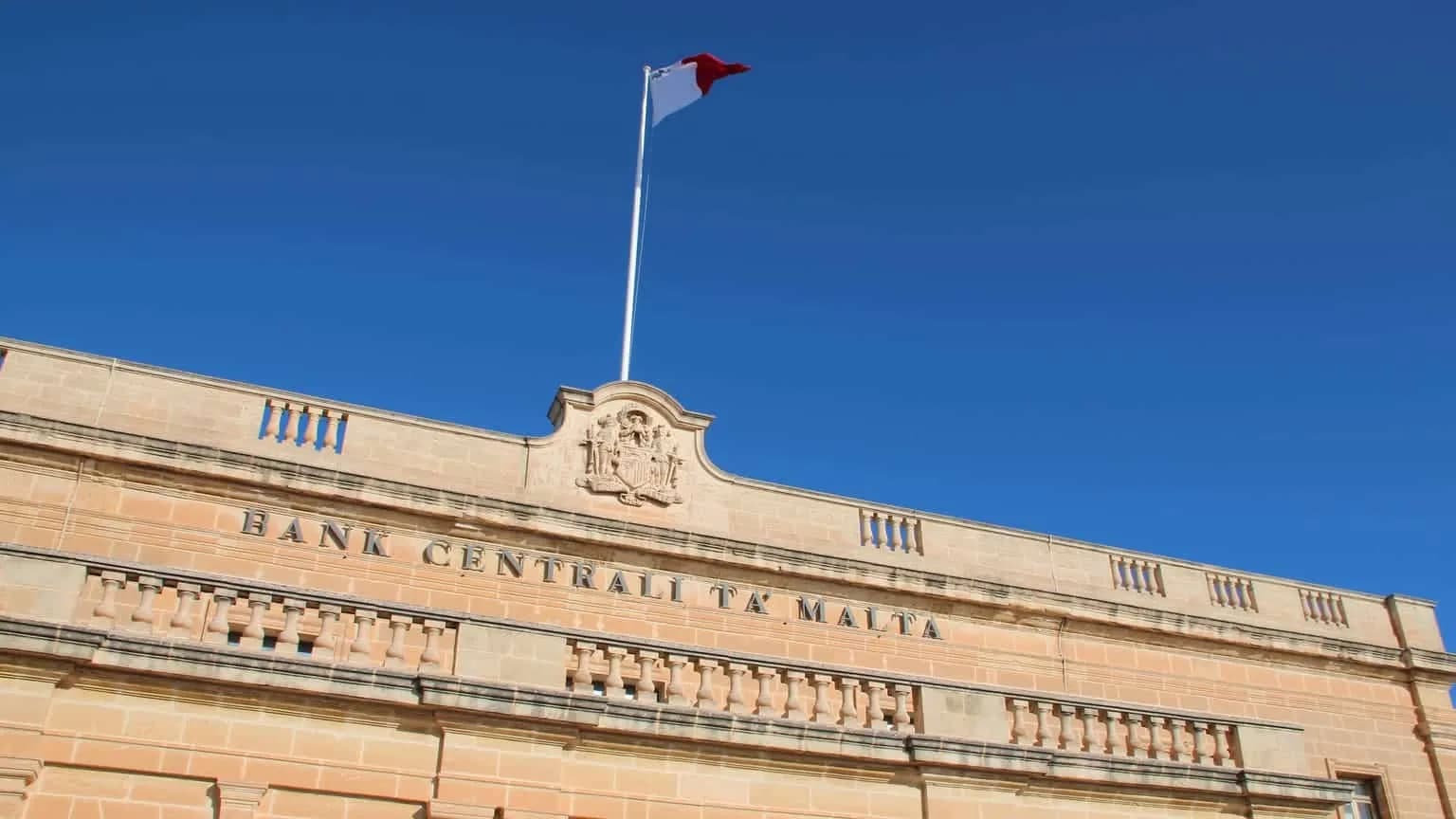

Malta has a stable banking system: there are local, non-core, and international banks in the country. The Malta Bankers’ Association comprises 21 banks. The largest banks are HSBC Malta and Bank of Valletta (BOV), with 72 branches.
Read on to find out which banks in Malta are best suited for opening accounts and how you can get a residency in Malta to use all banking services freely.
Banking system in Malta
Both residents and non-residents can use banking services and open bank accounts in Malta to feel financially secure. This process usually takes about 2 weeks.
The Malta Financial Services Authority (MFSA) regulates the banking industry in Malta and issues banking licences.
The Malta Bankers’ Association comprises 21 banks. Six of them are systemically important: they keep the stability of the country’s banking system.
Bank of Valletta (BOV) and HSBC Malta are the largest banks in Malta. They have a considerable market share with 72 branches. These banks offer a more diverse list of services than other banks in Malta and have extensive experience working with non-residents.
Malta has branches of international banks, for example, Akbank, Credit Europe, Finaro, and FIMBank. Most of their head offices are concentrated in Valletta or St. Julian's, but some companies open branches in other locations.
Some banks have a specific purpose. For example, Shift4 is a commercial bank, operating in such industries like hospitality, leisure, and restaurant. So, it would help if you chose a bank according to your goals.
List of popular banks in Malta
Which banks in Malta are better suited for opening bank accounts
Malta offers three options to open a bank account: to go to large local banks, use services in online banks, or open an account with multinational banks.
Maltese banks allow both residents and non-residents to open accounts for personal and business purposes.
Trusted by 10,000+ investors
Check your eligibility for Malta permanent residence
For non-residents, it can be trickier to open an account because the list of documents they have to provide is longer than in many other countries. Non-residents may also have difficulty passing Due Diligence checks. If potential clients have not passed verification, they are refused without explanation.
These are the most popular banks for opening an account, but you can also check the conditions of other banks.
Popular banks in Malta for opening bank accounts
How to open a personal bank account in Malta
Maltese banks allow the opening of a personal bank account and a corporate one. These options differ in terms and the list of documents that you must provide to open such accounts. The process of opening an account usually takes about 2 weeks.
1. Select a bank
You must visit a Malta bank branch or apply online to open a personal bank account. A preliminary application for opening an account can be sent via the bank's website, and then you can come to the bank to sign the contract.
Individuals usually open personal bank accounts to save money or provide some payments. The interest on the account balance or term deposits in Malta is practically 0, so it will not be possible to get a noticeable additional income.
2. Choose the necessary type of account
Banks usually ask about the purpose of opening an account.
For example, the Bank of Valletta offers to choose one of these goals: personal savings, rental income, salary or pension, social security benefits, or Investment income.
Then banks usually offer the following personal bank accounts:
- Current Account. This type is used to provide non-cash payments and is intended for everyday use. In most cases, you will be issued a debit or credit card as soon as the account is activated.
- Basic Account. This is a free current account designed to meet basic banking needs.
- Savings Account. This type allows holders to deposit funds, limiting their withdrawal. Its primary purpose is to receive interest.
3. Pay for service
Most Maltese banks do not charge a monthly fee for current accounts. Banks make money by charging fees for payments, minimum deposit fees, early account closure, and other services. The cost of services depends on the bank.
4. Provide the documents
In Malta, banks usually require the following documents to open an account:
- Passport, residence card, or ID for non-residents.
- A bank reference, either from your current bank or a previous one. This document is always required for citizens of non-EU countries.
- A utility bill with your full residential address.
- The application form may vary depending on the selected bank.
When you pass the verification, your account will be opened.
How to open a corporate bank account in Malta
1. Select a bank
A corporate account can be opened in the largest banks in Malta, for example, in the Bank of Valletta or HSBC. The duration of opening a corporate bank account in Malta depends on the requirements of the banks. The bank account is opened after checking the necessary documents. When it is available, you can carry out banking transactions even with online banking services.
Some managers or business owners open a corporate bank account at the same bank where they have a personal account.
Check the following data before opening business savings or checking bank account:
- transaction fees;
- minimum account balance fees;
- introductory offers;
- interest rates for checking and savings;
- interest rates for lines of credit;
- early termination fees.
If you need to open an account with merchant services, pay attention to the transaction fee, discount rate, Address Verification Service (AVS) fee, and minimum monthly fees.
2. Register a company
You must first register a company in the country. This procedure usually takes 1—2 weeks.
Sometimes registering a company in Malta helps to optimise taxes. Shareholders have the right to refund up to 100% of the corporate tax paid by the company, depending on its type of activity, organisational and legal form.
3. Provide documents and receive bank account
The package of documents that companies need to prepare to open a corporate bank account differs from the one required for a personal account.
Companies must provide the following documents:
- Copies of passports or local ID cards of all shareholders and managers.
- Copies of the company's incorporation documents.
- References from the banks in which shareholders and managers currently have accounts.
- Proof of a good reputation.
- Confirmation of the address of all shareholders and managers.
Foreign companies cannot open a bank account in Malta without this package of documents. The history of bankruptcy or debt can also minimise the chances of a successful outcome.
When you pass the verification, your account will be opened.
Benefits of opening a bank account in Malta
Stable banking and low loan rates
The stability of Malta's banking system is ensured by the European Central Bank, or ECB.
ECB determines the overall strategy of monetary policy. Malta is achieving the goals set by the ECB. The country also has a stable credit rating — the deterioration of the economy in the country is not expected.
The loan rates in Malta are low. For example, the car loan rate is about 5% with a loan term of up to 7 years.
Deposits up to €100,000 are insured
Deposits of up to €100,000 are insured against bank bankruptcy. Sometimes the insurance amount increases to €500,000, for example, if the money was received from the sale of real estate or was intended to purchase housing. It’s better to open deposits in different banks to ensure a significant amount from bankruptcy.
Strong financial regulation
The Maltese Financial Services Authority, or MAFS, monitors compliance with banking rules. MAFS issues banking licences and monitors compliance with industry regulations. The Office also maintains a register of Malta's legal entities and oversees the insurance and investment sectors.
How to get a permanent residency in Malta to freely use banking services
Malta Permanent Residence Programme allows non-EEA, non-EU, and non-Swiss residents to obtain permanent residency in Malta by investment in the country’s economy.
An investor can participate in the program alone or with family members, including spouses, children, and grandparents.
To participate in the program, investors should be 18 years or older, have no criminal records, and have no visa denials in countries that have a visa-free regime with Malta.
Applicants should own capital of €500,000, with at least €150,000 in financial assets. Alternatively, they can possess assets totalling at least €650,000, of which at least €75,000 must be financial assets.
To get permanent residency, investors have to fulfil the following conditions:
- Purchase real estate for at least €375,000 or rent a property for five years for at least €14,000 per year.
- Pay an administration fee of €60,000.
- Pay a contribution fee of €37,000.
- Donate €2,000 to a charity.
The total expenses depend on the number of participants in the application.
Foreigners should rent or buy a property for five years to apply for a program. Five years later, they can buy or rent another one to get a new registration address in Malta.
 Trusted by 10,000+ investors