Investors can obtain Malta PR under the Malta Permanent Residence Programme, which offers many advantages. These include the opportunity to live and work freely in Malta, travel to Schengen countries without a visa for 90 days within any 180-day period, and receive a partial return on their investment.
Obtaining permanent residence by investment usually takes at least 6 months, and the status is granted for life.




Malta Permanent Residence Programme, or MPRP, is an opportunity for non-EU and non-EEA nationals to obtain the right to reside in Malta indefinitely. To be eligible, foreigners must make an investment of at least €187,000 in the Maltese economy. This includes buying or renting a property, paying government fees, and donating to a charity.
The residence status is extended to the investor's dependents, such as spouses, children, parents, and grandparents.
Unlike citizenship, permanent residency does not confer the right to vote or hold a Maltese passport, but it does provide long-term security for residents.
1. Fast acquisition process. It takes 6 or more months to get Malta permanent residence by investment; the ordinary non-investment path requires living in the country for at least five years.
2. Life-long residency in Malta. Permanent residence in Malta is granted for life. You only need to renew the residence card every five years. In comparison, the validity of a temporary residence permit is 1—2 years.
3. Immigration to Malta. Permanent residence holders can immigrate to Malta at any time. Yet, they are not obliged to live in Malta permanently and can only visit the country on vacations.
4. Visa-free entry to 29 other European countries. Malta is a Schengen country, so its residence permit allows holders to enter all the Schengen states visa-free. The allowed period of stay in the Schengen Area is 90 days out of every 180.
Austria | Denmark | Hungary | Luxembourg | Slovakia |
Belgium | Estonia | Iceland | Netherlands | Slovenia |
Bulgaria | Finland | Italy | Norway | Spain |
Croatia | France | Latvia | Poland | Sweden |
Cyprus | Germany | Liechtenstein | Portugal | Switzerland |
Czechia | Greece | Lithuania | Romania |
5. Starting a business. Investors participating in the Malta Permanent Residence Programme can work and run businesses in Malta if they obtain permission from local authorities. According to Forbes, the country ranks in the top 50 best states for opening a company, attributed to Malta's stable and developed economy.
People starting companies in Malta can also easily access the entire European Union market and expand their business.
6. Access to leading healthcare services. According to the CEOWORLD Health Care Index 2024, Malta is the 18th best country in terms of healthcare. It offers high-quality services that meet EU standards. Additionally, the costs of medical services can be lower than in other European countries such as Germany or France.
Maltese residents can use European Health Insurance Cards to obtain medical treatment in all EU countries.
7. World-class education. The University of Malta ranks among the top 800 universities globally and is welcoming to international students, with courses taught in English.
Maltese residents can study in other EU countries under the same conditions as locals. For instance, public universities are free of charge, and tuition fees at private institutions can be lower than those for international students.
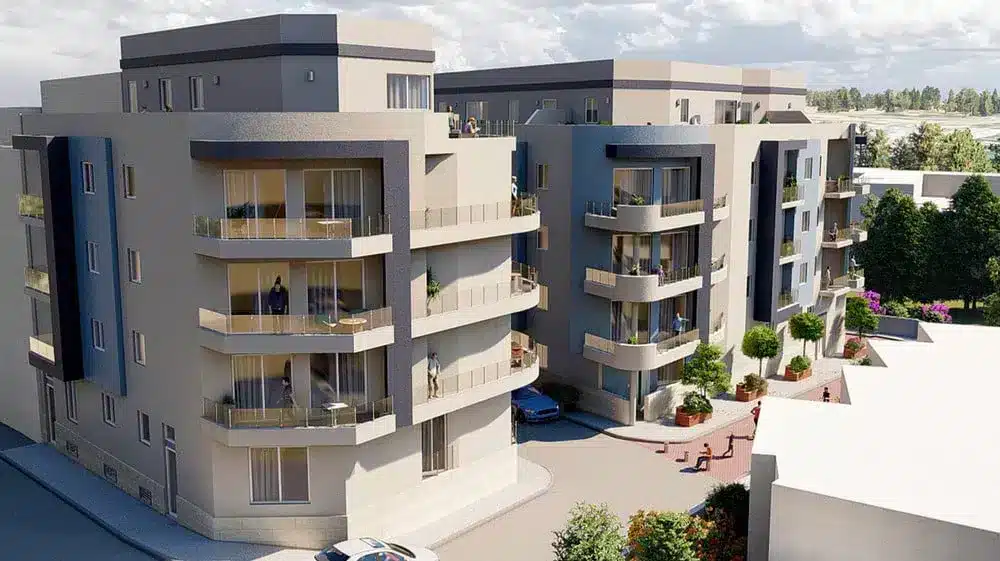
8. Rental option available. Under the Malta Permanent Residence Programme (MPRP), investors have the option to rent properties. Unlike other European residency programmes, which require applicants to purchase real estate, the minimum sum spent on renting a property in Malta for five years is €70,000.
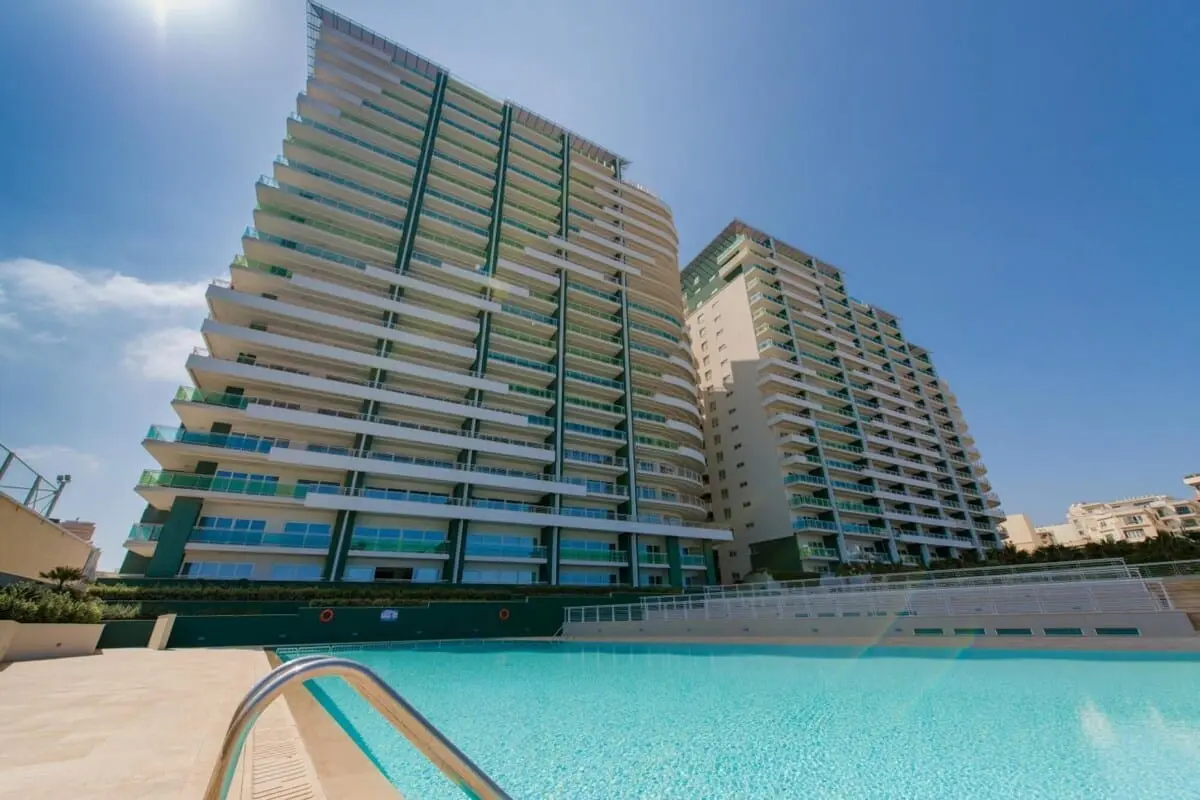
9. Return of money invested in real estate. If an investor chooses to buy real estate under the Malta Permanent Residency Programme, they are required to own it for at least five years after obtaining residency. After that period, the investor has the right to sell the property and recoup part of the invested money.
Since 2015, Malta’s housing prices have grown by 4 to 6% annually, making the real estate purchase potentially profitable.

10. An opportunity to add close family members to the application. Relatives who can participate in the application alongside the main investor include:
Spouses may be in official marriage or civil union with the investor. Adult children, parents, and grandparents must be principally dependent on the investor.
11. Confidentiality of the process. All the checks conducted by Immigrant Invest and Maltese authorities are entirely confidential. Access to the investor’s personal data is limited to a circle of people who need it to provide their services and process the application.
Immigrant Invest works under The Maltese Data Protection Act and Regulation (EU) 2016/679 of the European Parliament and of the Council of 27 April 2016.
12. Tax status with the MPRP. Permanent residence holders can become Maltese tax residents if they spend at least 183 per year in the country. Although Malta’s taxes are not low, their rates can still be more attractive than those of other countries. For example, the maximum income tax rate in the UK is 45%, while in Malta, it is 35%.
Corporate tax in the country is 35%, but thanks to tax refunds, it can be reduced to between 0 and 12%.
13. Safety. According to the Numbeo Safety Index 2025, Malta is safer than Ireland, Italy, and Canada. The most common crime is corruption, while the likelihood of violence or theft is low. Malta is also known for having one of the lowest numbers of car accidents.
14. Soft climate and pollution-free environment. Malta enjoys hot and sunny summers with warm but wet winters. The weather is rarely freezing or snowy.
The warmest months are July and August, with average temperatures of 28...32°C and about 12 hours of sunlight daily. The coldest months are January and February, but even then, the air temperatures seldom drop below 15°C.
According to the Environmental Performance Index 2024, Malta ranks 13th among the world's cleanest countries and has shown gradual environmental improvements over the past few years. Malta is cleaner than Iceland, Ireland, and the Netherlands.
15. English as an official language. People in Malta speak Maltese and English. Therefore, foreigners do not need to learn another language to visit or live in Malta, which can be very helpful when interacting with government structures or, for example, opening bank accounts.
1. Due Diligence for each family member. The requirement to undergo Due Diligence applies to every investor’s family member over 12 years old. The process includes checks against international databases and searching for information on the Internet.
Immigrant Invest lawyers assist investors in preparing for Due Diligence, gathering all required documents, and filing all government forms. We also respond to additional requests from the Residency Malta Agency, which is responsible for the MPRP.
Due Diligence is an obligatory procedure for any person who wants to participate in a residency-by-investment programme in any country. However, Malta’s checks are among the strictest and most thorough.
2. A limited number of visa-free countries. With a Malta passport, one can visit 169 countries without a visa. Malta permanent residence allows visa-free entry only to the Schengen states.
Also, Malta citizenship allows one to stay in other Schengen countries indefinitely, while with permanent residence, the stay is limited to 90 days within any 180-day period.
3. Non‑refundable payments. Malta requires investors to fulfil several investment conditions, including renting or purchasing real estate, paying administration and contribution fees, and donating to a charitable organisation. All investments, except for property purchases, are non-refundable.
4. Requirement to have a registered address. An investor and their family must have a registered address in Malta, in either a purchased or rented property. They need to maintain this registration for the entire period of their permanent residency.
If the investor sells and then buys or rents another property, they must provide the programme’s department with a sales agreement and a new purchase or lease agreement.
5. The need to prove dependence of relatives on the investor. Every family member except the spouse or partner of the investor must be principally dependent on the principal applicant. Children, parents and grandparents cannot have their own source of income.
To obtain permanent residency in Malta, an investor needs to comply with certain requirements:
An applicant needs to make several investments. It is required to fulfil all of them; the only choice the investor has is whether to buy or rent a property.
The investments for permanent residence include:
Besides investment, the applicant must have available assets of at least €500,000, with €150,000 in financial assets. Alternatively, they must prove assets of at least €650,000, with €75,000 in financial assets.
The applicant will also need to spend money on legal services, such as the help of the licensed agent, translating, notarising, and apostilling of the documents. Also, they buy health insurance. Maltese authorities do not regulate these costs as an applicant chooses the service providers themselves.
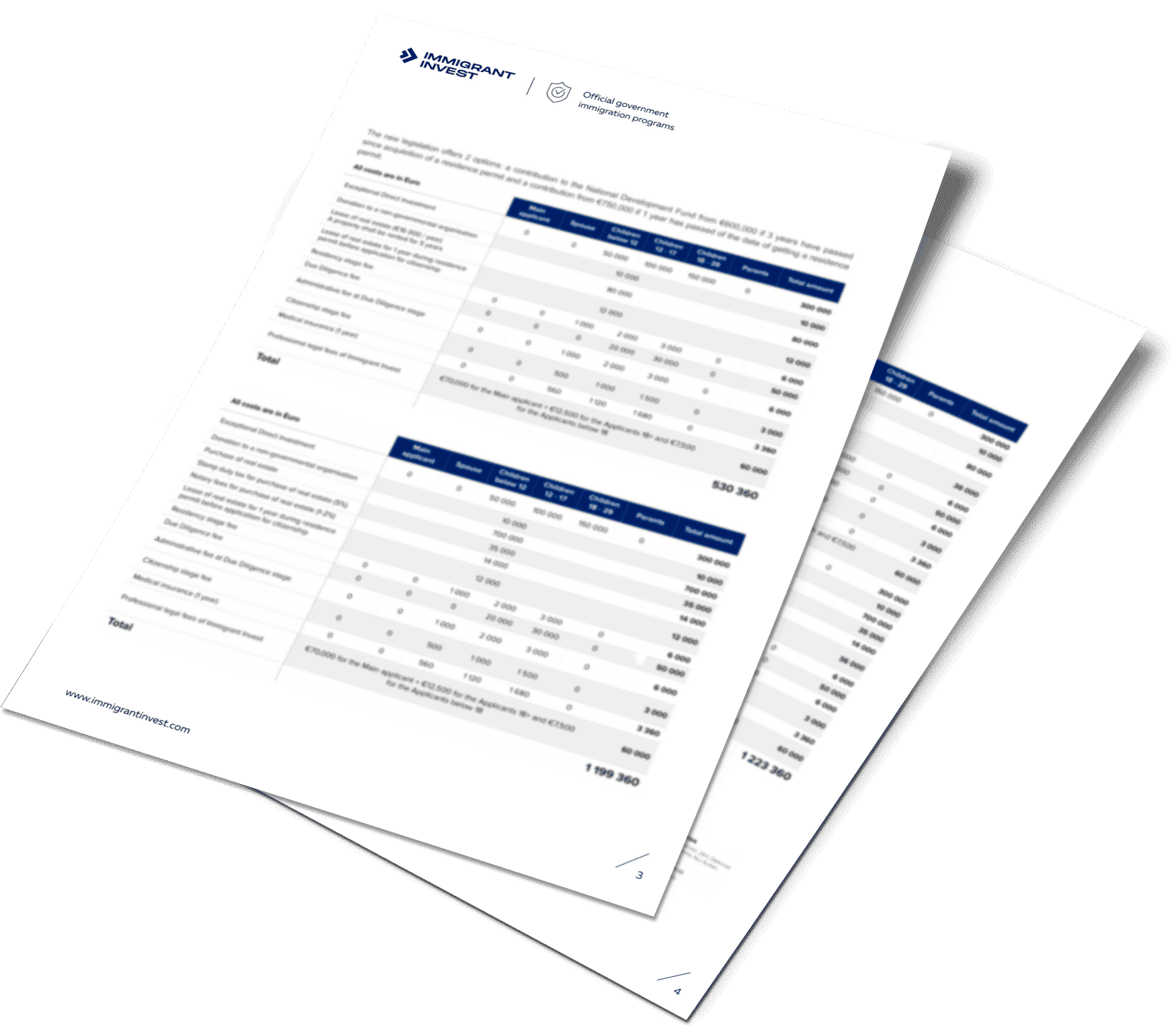
| Expenses | Renting real estate for 5 years | Purchasing real estate |
| Real estate investment | €70,000+ | €375,000+ |
| Taxes | — | 5% — stamp duty 1.5% — legal fees |
| Contribution fee | €60,000 + €5,000 per family member | €30,000 + €5,000 per family member |
| Administration fee | €50,000 + €5,000 per family member | €50,000 + €5,000 per family member |
| Charitable donation | €2,000 | €2,000 |
| Legal services | ≈ €5,000 | ≈ €5,000 |
| Total | €187,000+ | €486,375+ |
Besides investment payments, an applicant will also need to spend money on legal services, such as the help of the licensed agent, translating, notarising, and apostilling of the documents. Also, they buy health insurance. Maltese authorities do not regulate these costs as an applicant chooses the service providers themselves.
The basic list of documents an investor must collect includes:
Maltese authorities may require the investor to provide additional documents. In this case, the consideration process will be extended.
All copies must be notarised and apostilled or legalised. If documents were issued in languages other than English or Maltese, they must be translated. It can be done by a certified translator in Malta or another country. In the latter case, translations must be apostilled or legalised in Malta.
Explore the benefits and requirements of the Maltese investment programme in a couple of minutes
The process of obtaining Malta permanent residence by investment takes at least 6 months. Most steps can be completed remotely; the only time an investor and their family members need to come to Malta is to have their fingerprints taken.
At Immigrant Invest, preliminary Due Diligence is conducted by certified Anti Money Laundering Officers. They are knowledgeable about such checks in Malta, and their expertise helps reduce the risk of refusal to 1%.
Investors and their family members are checked against international databases, the same ones the Residency Malta Agency uses during the main Due Diligence process.
Immigrant Invest lawyers prepare a list of documents the investor must provide for the main Due Diligence. The list varies depending on the applicant’s background.
The lawyers then translate and notarise the documents and fill out the application forms. When everything is ready, the investor pays a part of the administration fee — €15,000.
The Residency Malta Agency conducts the main Due Diligence. Its experts check the biographies of investors and their family members against international databases. If they have questions, they request additional documents.
Once the investor’s application is approved, they must fulfil all the investment requirements. They have 2 months to pay the remaining amount of the administration fee and up to 8 months to meet the other conditions.
As soon as the investment is completed, Immigrant Invest informs the Residency Malta Agency and sends supporting documents.
The investor and their family members visit Malta to submit their biometrics, which can be done before or after making an investment.
After all requirements have been met, the Residency Malta Agency issues final approval.
The investor does not need to return to Malta to receive permanent residence cards. The documents are sent to Immigrant Invest and forwarded to the investor by courier.
The Malta permanent residence cards are valid for five years for adult applicants. Minor children must renew their cards after they turn 14 and 18 years old.
During the first five years after obtaining permanent residency, the Residency Malta Agency annually verifies whether the investor continues to meet the programme’s requirements.
Yes, Malta grants PR by investment under the Malta Permanent Residence Programme. To participate in it, one needs to:
Yes, it is possible to get Malta citizenship by naturalisation after 5 years of living in the country. There’s also naturalisation granted for exceptional contributions to Malta or humanity. It is called Citizenship by Merit.
Eligibility fields include entrepreneurship, investment projects, job creation, innovation, science, education, culture, philanthropy, security, and social impact.
Malta permanent residence is a long-term residence permit that allows an investor and their family to live in Malta for a long time. The PR permit can be obtained under the Malta residency by investment programme.
Obtaining Malta residency by investment takes several months; the usual application processing time is at least 6 months.
You can travel with a Maltese residence card, which grants free access to Schengen countries, allowing PR permit holders to spend 90 days within a 180-day period there.
Some benefits of Malta PR include:
No, working in the EU with Malta permanent residency is prohibited. One needs to obtain a work permit from the specific country.
Working and running a business in Malta is allowed with a special permit, but it must be obtained separately.
It is relatively easy to obtain Malta PR. The applicant only needs to make a contribution to the Maltese economy and pass the Due Diligence conducted by the Residency Malta Agency.
The entire process takes 6 or more months.
Yes, Malta is a good choice for immigrants. It is a safe, clean country with high‑quality education and healthcare, and a stable economy. It also boasts a pleasant climate, a quiet lifestyle, and access to the Mediterranean Sea.
The cost of obtaining permanent residency in Malta depends on the chosen option. The minimum sum one can expect to invest is €187,000.
Yes, your application can be refused, for example, for providing incorrect or misleading information or due to fraud. Other reasons for rejection include having a criminal record, being under sanctions, or failing to prove the legality of income.
Permanent residency in Malta can be annulled if the investor does not comply with the programme’s requirements for 5 years after obtaining the status.
Yes, the investor can recoup the money invested if they purchase a property to participate in the programme. They can also make a profit as Maltese real estate prices are continuously increasing.